


Did you know over 1.5 billion cinema tickets are sold every year in India? Entertainment is a big part of our culture. But, there’s more to going to the movies than just buying a ticket.
This movie rules tutorial is a helpful guide for Indian viewers. It’s useful whether you’re at a local theater or watching movies at home. Knowing the standard movie guidelines makes your movie-going experience better for everyone.
Being a responsible viewer means respecting copyright laws and age ratings. It also means following theater etiquette. By doing these things, you help make the movie experience safe and enjoyable for all.
Key Takeaways
- Understand the importance of age ratings for appropriate content selection.
- Respect intellectual property by avoiding unauthorized recording or distribution.
- Practice theater etiquette to ensure a pleasant environment for fellow patrons.
- Utilize accessibility features to make entertainment inclusive for everyone.
- Stay informed about local regulations regarding digital and physical media consumption.
Understanding the Purpose and Scope of Movie Rules
Movie rules are like an invisible guide. They protect the creator’s vision and the viewer’s experience. These movie industry protocols make sure content is shared and watched in a legal and respectful way. They keep the film world in order from start to finish.
What Movie Rules Cover for Viewers
For viewers, movie rules mainly deal with age-appropriate content, copyright, and theater manners. These film criteria tell viewers what to expect before watching. Following these rules is crucial for a safe and fun experience for everyone.
“Cinema is a mirror of society, and the rules governing it ensure that this reflection remains accessible and respectful for all audiences.”
How Film Regulations Differ Across Theaters, Streaming Platforms, and Home Viewing
The rules for watching movies change depending on where you watch them. Cinemas have strict rules for entry and noise, while streaming services use digital movie compliance tools like parental locks. Knowing these differences is important for a good viewing experience.
| Environment | Primary Regulation | Viewer Responsibility |
|---|---|---|
| Cinema Hall | Public Safety Laws | Adhering to showtimes |
| OTT Platforms | Digital Content Acts | Managing profile settings |
| Home Viewing | Copyright Standards | Respecting licensing terms |
Why Indian Viewers Should Check Current Cinema Guidelines
Indian viewers should always check the latest cinema guidelines before watching. Local motion picture laws and theater rules can change often. Staying updated helps you avoid problems and follow cinema best practices well.
Whether watching a big movie in a multiplex or streaming a local classic, knowing movie standards is key. Always look for official updates to make sure your viewing fits with current film mandates and expectations.
Movie Rules Every Indian Viewer Should Know
Knowing the difference between film protocol and etiquette is crucial for a great movie night. Some rules are laws, while others help everyone enjoy the movie without distractions.
Distinguishing Legal Requirements from Viewing Etiquette
Legal rules protect copyrights and ensure content is suitable for all ages. On the other hand, movie code of conduct includes social norms like keeping phones silent and not talking during the film.
“Respect for the creator’s vision and the audience’s experience is the foundation of responsible cinema viewing.”
Following Age Ratings, Theater Policies, and Platform Terms
Every viewer must follow film rules and regulations set by the Central Board of Film Certification. When at a theater, you must follow venue policies on food, recording devices, and entry times. Digital platforms also have rules for accessing their content.
Following these film industry guidelines ensures a safe viewing environment. Whether watching a blockbuster or streaming a classic, these standards protect the film’s integrity.
Respecting Copyright, Licensing, and Movie Industry Standards
The film industry has strict film standards to protect creators’ work. Licensing agreements allow legal distribution of content, making unauthorized access illegal in India.
| Category | Legal Requirement | Viewing Etiquette |
|---|---|---|
| Recording | Strictly Prohibited | Avoid distracting others |
| Age Ratings | Mandatory Compliance | Parental discretion advised |
| Mobile Use | Venue Policy | Keep on silent mode |
Why Unauthorized Downloads and Unlicensed Streams Create Legal and Security Risks
Accessing pirated content can harm your devices with malware and phishing. These cinema regulations protect your data from hackers. Supporting piracy also harms the movie industry.
How to Identify Legitimate Movie Services in India
Official platforms have verified badges and secure payment options. Reliable services follow movie industry rules and clearly state their licensing status. Always choose these platforms to keep your viewing safe and legal.
Checking Certification, Ratings, and Film Classification
Understanding Indian cinema’s official film classification systems is key. These motion picture principles guide audiences, helping them know what to expect before watching. By following film directives, you can choose movies that fit your taste and family’s needs.
Reading Central Board of Film Certification Categories
The Central Board of Film Certification (CBFC) oversees film screenings in India. Their cinema standards help viewers know a movie’s maturity level. Knowing these categories is crucial for responsible movie watching.
Understanding U, UA, A, and S Certifications
Films get a rating that shows who they’re for. These flick regulations are more than just advice; they’re the law for theaters. Knowing these labels helps you find the right movies in Indian entertainment.
| Certification | Meaning | Target Audience |
|---|---|---|
| U | Unrestricted | All Ages |
| UA | Unrestricted with Parental Guidance | 12+ Recommended |
| A | Adults Only | 18+ Only |
| S | Specialized | Restricted Groups |
Checking Regional Language, Edited, and Re-Release Information
Movie guidelines can change with different versions of a film. Dubs or edited cuts might have different ratings than the original. Always check the version details to make sure it’s right for you.
How Age Restrictions Apply to Children and Teenagers
Age limits are strict to keep young viewers safe. These cinematic laws mean ‘A’ rated films are for adults only. Parents should be careful with ‘UA’ ratings, as they suggest caution for kids.
Why a Certification Is Not the Same as a Personal Suitability Recommendation
The CBFC sets a movie code, but it’s not about personal values. A film might be okay for a certain age but still not right for you. Use these ratings as a starting point, but always decide for yourself if a movie is right for your family.
By using these motion picture criteria when choosing movies, you make watching films safer and more fun. Checking these details ensures your movie time is enjoyable and fitting for your household.
Reviewing Content Advisories Before Watching
Before watching the latest movie, it’s wise to check content advisories. This follows best movie rules to keep your viewing enjoyable and in line with your tastes. It helps you avoid surprises and choose what you want to watch.
Looking for Violence, Sexual Content, Strong Language, and Substance Use Warnings
Today’s platforms give clear warnings about mature themes. These top movie rules help spot scenes with violence, bad language, or drug use. It’s key to look for these warnings before starting new movies to make sure they fit your viewing space.
Some people like intense movies, while others prefer milder ones. A movie rules guide lets you skip content that might upset you. These advisories aim to keep your viewing experience calm and enjoyable.
Assessing Horror, War, Action, and Crime Movie Triggers
Some movies have triggers that can be too much. Horror movies might scare you, while war and crime dramas can be too intense. Knowing what to expect is a best movie rule for a relaxing night. These movie rules techniques help you prepare for scenes that might not be for everyone.
Using Trailer, Synopsis, and Platform Advisory Information Responsibly
Trailers and synopses give a sneak peek, but they’re not everything. Using these along with official advisories is a movie rules best practice. This way, you get a better idea of the movie’s mood and any content concerns.
How Parents Can Make a Family Viewing Decision
Parents are key in choosing what their kids watch. By using movie rules strategies, you can mix official ratings with your child’s sensitivity level. Always check the movie’s context, as even a PG-rated film might have themes that need parental guidance.
| Category | What to Look For | Action Required |
|---|---|---|
| Violence | Graphic combat or gore | Check age rating |
| Language | Strong or offensive terms | Review user comments |
| Substance Use | Smoking or alcohol scenes | Assess for family viewing |
| Themes | Crime or horror triggers | Read full synopsis |
By following these movie rules tips, you can confidently explore the world of movies. Whether watching alone or with family, knowing what you’re getting into is key. Stick to your standards and avoid content like porn movies by carefully checking advisories.
Choosing a Legal and Reliable Way to Watch
Finding the right way to watch movies online in India is important. You need to know how to do it safely and legally. Official channels in India offer high-quality movies and protect your personal data.
By choosing these services, you help the film industry and get a great viewing experience.
Comparing Theatrical Releases, Television Broadcasts, and OTT Platforms
The way you watch movies changes a lot depending on the platform. Theaters give you the big-screen feel. TV broadcasts offer a traditional viewing experience.
Over-the-Top (OTT) platforms let you watch what you want, when you want. They work on many devices.
- Theaters: Best for immersive audio and visual quality.
- Television: Reliable for family viewing and live events.
- OTT Services: Ideal for flexibility, original content, and multi-device support.
Verifying Official Apps, Websites, and Subscription Pages
Make sure you’re using the real app or website of a service. Legit platforms have safe payment options and clear rules. Avoid clicking on suspicious links that promise free premium content, as they can be risky.
Check the URL in your browser to make sure it’s the official site. If a site asks for too many permissions or pops up too many ads, it’s not safe.
Checking Regional Availability for Hindi, Tamil, Telugu, Malayalam, Kannada, Bengali, and English Movies
India’s film industry is diverse, and platforms should offer content in many languages. Most big streaming services have sections for different languages. This way, you can find your favorite movies in your language.
Before you sign up, check if the platform has a lot of your favorite regional movies. Many services show trailers and summaries in different languages. This helps you see if they have what you want before you buy.
How to Avoid Pirated Copies, Fake Download Buttons, and Malicious Streaming Sites
Stay away from sites that share illegal content. Searching for terms like tamil movies download, ibomma telugu movies, or movies da might lead to sites with pirated files. These sites often use tricks like:
- Fake download buttons that trigger malware.
- Pop-up ads for sex movies or other bad content.
- Hidden scripts that track your online activity.
- Low-quality mp4 movies without the right licenses.
Avoid sites like ssr movies, bappam movies, movies da.com, yo movies, or vega movies. They don’t offer the safety or quality of official sites. Using them can harm your device and steal your data.
Confirming Whether a Movie Is Included, Rented, or Sold Separately
It’s important to know how your chosen platform works. Some services include a lot of movies in their monthly fee. Others charge extra for new releases.
Always check if a movie is included, rented, or sold separately before watching. This helps you budget and avoid surprise charges. Always choose official, paid channels to support creators and get the best quality.
Preparing Your Theater or Streaming Setup
A great viewing experience starts before the movie begins. Whether watching the latest f1 movie in theaters or horror movies at home, preparation is key. A few minutes of setup can prevent technical issues and enhance your enjoyment.
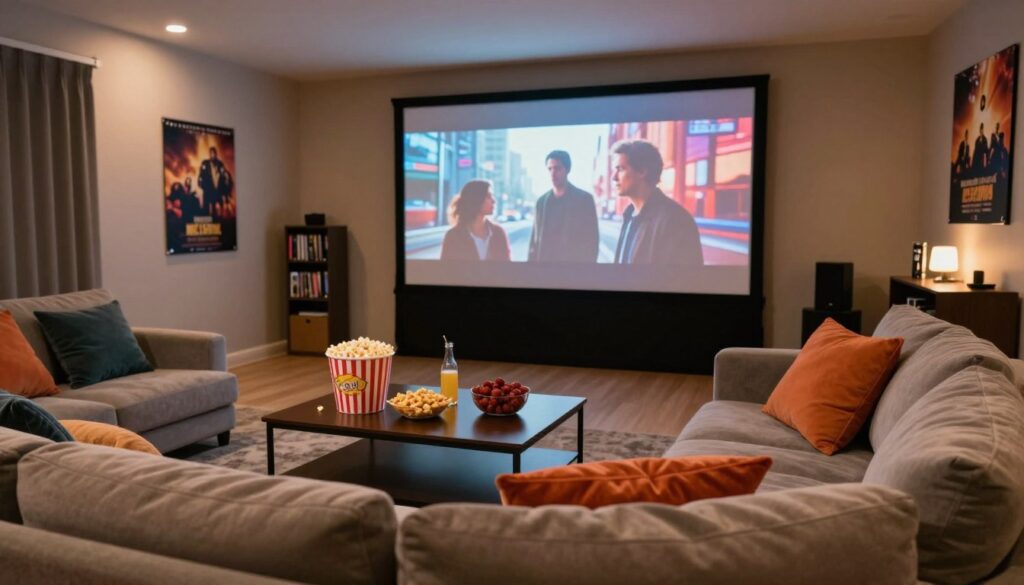
Checking Showtimes, Venue Rules, and Ticket Information
Always check your showtime and venue rules before heading to the cinema. Theaters have rules about food, recording devices, and entry times. Make sure your digital tickets are ready to avoid delays.
Don’t rely on sites like movie rulez2 com 2025 telugu for movie links. Official ticketing platforms ensure your seat. Checking these details early saves you from missing the movie start.
Confirming Audio, Subtitle, Resolution, and Language Settings
At home, your device settings are crucial. Ensure your audio is set correctly, like surround sound. For international content, check the language and subtitles before starting.
Don’t forget about resolution settings. A stable internet connection is needed for high-quality streams. Adjusting these settings in advance ensures smooth playback.
Using Parental Controls, Profile Restrictions, and Playback Settings
Managing your digital space is important for a safe watch. Use parental controls to block mature content. Most platforms offer PINs or age filters for this purpose.
Review your playback settings to manage data and auto-play. Customizing your profile helps tailor recommendations to your tastes. This creates a personalized and secure viewing space.
What to Check Before Watching 4K, UHD, or Full HD Movies
High-definition content needs specific hardware. First, ensure your TV or monitor supports the resolution. A 4K display is needed for uhd movies, and a fast internet connection prevents buffering.
Check your HDMI cables and streaming device specs for high-bitrate video support. If not supported, the quality will downscale. Verifying these technical needs ensures you enjoy the intended visuals and sound.
Following Cinema Etiquette and Theater Regulations
When you go to a theater, you join a space where everyone needs to respect each other. Following movie rules rules 2026 helps everyone enjoy the latest movies without distractions. A shared code of conduct makes the space good for all movie lovers.
Arriving on Time and Finding the Correct Seat
Being on time shows respect for the filmmakers and others watching. Arriving early lets you get settled before the trailers start. Always check your ticket to make sure you’re in the right seat, especially for big hits like dhurandhar movie.
Managing Phones, Conversations, Food, and Recording Devices
Turning on your phone can disturb those behind you. Keep your devices off and hidden during the movie. Enjoying snacks is fun, but be quiet while eating. Remember, theaters are for everyone, so keep conversations low.
Respecting Accessibility Areas, Emergency Exits, and Staff Instructions
Accessibility seats are for those who really need them. Always know where the emergency exits are. If staff gives you instructions, follow them to keep everyone safe. Whether it’s new movies 2025 or a classic, safety comes first.
“The cinema is a temple of light and sound where the audience’s collective silence creates the magic of the story.”
Why Recording or Photographing a Movie Screening Is Prohibited
Recording without permission breaks copyright laws. It messes up the sound, color, and effects of the movie. Sites like tamil new movies download and movie rulz hurt the industry. Respecting these rules protects the hard work of everyone involved.
How to Handle Disruptions Without Confronting Other Viewers
If someone is being loud or using their phone, don’t confront them. It’s better to quietly tell a theater staff member. They can handle it without making things worse. Staying calm helps keep your movie experience enjoyable.
| Feature | Theater Etiquette | Home Viewing |
|---|---|---|
| Noise Level | Strictly Quiet | Flexible |
| Device Usage | Prohibited | Allowed |
| Content Access | New Movies 2025 | New Movies on OTT |
| Environment | Public/Shared | Netflix New Movies |
Applying Safe and Respectful Home Viewing Rules
Creating a safe and fun home viewing area is key for every family in India. By using movie criteria from professionals, you can make your living room feel like a theater. At the same time, it stays cozy for everyone. Following a set movie protocol makes sure everyone has a good time.
Creating a Suitable Environment for Shared Movie Watching
A good home cinema is more than just a big screen. You need comfy seats and the right lighting to avoid eye strain. Keeping the room tidy helps everyone stay focused on the movie.
- Make sure the screen is at eye level for better posture.
- Use soft lighting to make the screen and room contrast less harsh.
- Keep snacks and drinks away from electronics to avoid spills.
Protecting Children From Inappropriate Content and Unsafe Links
Streaming services use ai movie tech to suggest movies, but they’re not always right for kids. Parents should check the film requirements and age ratings before letting kids watch alone. Always make sure links are safe to avoid malware or phishing.
Using parental controls is important for movie governance. These tools block mature content based on age. Checking your child’s watch history helps you know what they’re seeing.
Managing Volume, Screen Time, and Late-Night Viewing
Too loud music can disturb neighbors and harm your hearing. Stick to cinema rules for sound levels to keep peace. Also, limit screen time to help kids sleep well.
| Category | Recommended Practice | Benefit |
|---|---|---|
| Volume | Keep at moderate levels | Protects hearing |
| Screen Time | Take breaks every hour | Reduces eye fatigue |
| Late-Night | Stop 1 hour before sleep | Improves sleep quality |
Keeping Personal Accounts, Payment Details, and Devices Secure
Keeping your digital identity safe is key. Never share your streaming passwords with others. Make sure your payment info is encrypted and log out of devices after use.
Setting Clear Rules for Family Members Using the Same Streaming Account
When many people use one account, it can get messy. Create separate profiles for each family member. This keeps recommendations and watch lists organized. Setting these top movie standards early helps avoid confusion and respects everyone’s viewing space.
By following these steps, you can enjoy pr movies and more safely. Remember, responsible viewing is the heart of a great #movie experience at home.
Using Language, Subtitle, and Accessibility Options Effectively
Watching a war movie or a family-friendly animation is better with accessibility settings. Modern platforms offer tools for Indian viewers to customize their experience. Adjusting these settings makes every film enjoyable and easy to follow.
Selecting Original Audio, Dubbing, or Regional Language Tracks
Most streaming services let you switch between original audio and regional dubs. For an epic movie, the original language might be best to enjoy the actor’s performance. But, regional tracks are key for accessibility in India.
Whether it’s a cop movie or a fantasy orc movie, check the audio menu first. You can find dubbed versions in Hindi, Tamil, Telugu, and more. This lets you watch in your preferred language.
Checking Subtitle Accuracy and Availability
Subtitles are crucial for those who are hard of hearing or watching in a non-native language. Always make sure the subtitles match the audio you’ve chosen. A good army movie will have precise, timed subtitles that improve the story.
Before starting a long movie, see if the platform offers closed captions. These captions include descriptions of background sounds, helping you understand the plot better. Reliable subtitles are key for following complex dialogue in any genre.
Using Audio Description, Closed Captions, and Visual Assistance Features
Accessibility features like audio descriptions help visually impaired viewers. They describe actions, costumes, and scenery, making films inclusive. Many platforms now offer these features directly in their playback interface.
Understanding Why Censorship and Localization May Vary Between Versions
You might find different versions of a full movie on different platforms. This is due to regional censorship laws or specific localization needs. A movie 2025 release might have different edits for TV or streaming services.
These changes ensure content meets local standards while staying accessible. Always check advisory information if you’re concerned about edits. This helps you understand why scenes might be different in various versions.
Choosing the Best Format for Multilingual Family Viewing
When planning a family movie night, think about everyone’s needs. For a bluey movie or a historical bible movie, pick a format with multiple audio tracks. This lets family members choose their preferred language.
- Check for multi-language support before starting the stream.
- Test the audio settings to ensure everyone can hear clearly.
- Use a free movie preview or trailer to verify the quality of the dubbing.
Evaluating Movies With Practical Viewing and Review Guidelines
Watching a movie, whether it’s a mafia thriller or a comedy, can be better with some knowledge. Many people mix up what they like with a movie’s real quality. Learning to see past your own likes can help you appreciate the effort in making films.
Separating Personal Preferences From Film Quality Standards
It’s easy to love a movie because it matches your mood or brings back memories. But quality standards mean looking at a movie’s goals. A movie might be perfect but not fun for you, or it might be flawed but enjoyable.
To judge a movie fairly, think about these things:
- The story’s clear path.
- How well the characters grow.
- The way the visuals tell the story.
Assessing Story, Script, Acting, Direction, Editing, and Cinematography
Every action movie needs a solid script and great acting. Notice how the director uses the camera to tell the story. Good cinematography sets the mood, and editing keeps the story flowing.
For the best movies, look for those where everything works together. A good script is key, but acting brings characters to life. When all these elements come together, you get a masterpiece.
Considering Technical Quality Without Confusing It With Entertainment Value
Technical quality, like clear visuals or sound, doesn’t always mean a great story. You might find a movie that looks amazing but lacks heart. On the other hand, some movies with lower budgets can have deep, moving stories.
Entertainment value is personal, but technical quality is clear. Knowing the difference helps you see why a movie works or fails. Remember, a big budget doesn’t always mean a film is great.
How to Write a Fair Movie Review Without Spoilers
When sharing your thoughts, focus on your experience without giving away the plot. A good review should talk about themes and performances, not every detail. If it’s a movie that stuck with you, explain why.
Avoid sharing major plot points to not spoil it for others. Instead, talk about the atmosphere and the director’s style. This way, your review is helpful and respectful.
Using Film Criteria Rather Than Unverified Online Claims
Many people watch movies online, but they often rely on rumors or biased comments. Whether it’s a hitman movie or a drama, judge it based on what you see. Don’t let online opinions sway your opinion.
To give unbiased feedback, stick to what you see. Using clear criteria makes your feedback valuable. Avoiding trends helps you have a genuine view of movies.
Recognizing Movie Production and Industry Compliance
Filmmaking is more than just creativity. It’s a process that must follow strict rules. These rules help balance artistic vision with legal needs. When you watch movies, you see the result of a big effort. This effort goes from the script to the final release.
Understanding Script, Scene, Marketing, and Release Requirements
Every movie must meet strict standards before filming starts. Scripts are checked for legal risks. Marketing must match the final product. This rule applies to all movies, including south movies and tamil movies.
Producers document every scene. This is to meet regional guidelines.
How Film Standards Address Safety, Labor, Copyright, and Intellectual Property
Safety and labor laws are key in film production. Studios protect cast and crew rights. They also make sure all intellectual property is licensed.
Whether it’s an english movie or a full hd movie, copyright is crucial. It prevents legal issues during distribution.
Recognizing the Role of Producers, Distributors, Exhibitors, and Streaming Platforms
The film world relies on many people. Producers create the movie. Distributors get it to theaters or platforms.
Exhibitors and streaming services check the final product. They make sure it meets standards.
Why Motion Picture Laws and State-Level Rules Can Affect Releases
Laws about movies vary by region. This can change how a film is released. For example, a revenge movie might face different rules than a horror movie.
These laws keep content safe and decent for the public.
How Advertising, Trailers, Posters, and Promotional Claims Are Regulated
Promotional materials are closely watched. Trailers and posters must show the real movie content. This avoids complaints from viewers.
This rule helps people know what to expect before watching.
Why Production Protocols Matter for Stunts, Animals, Minors, and Sensitive Scenes
There are special rules for filming with vulnerable people. Whether it’s a combat movie, a jungle movie, or a police movie, safety comes first. These rules cover stunts, animal treatment, and minor protection.
| Role | Primary Responsibility | Compliance Focus |
|---|---|---|
| Producer | Project Oversight | Labor and Safety |
| Distributor | Market Access | Copyright and Licensing |
| Exhibitor | Public Screening | Venue Safety and Ratings |
| Streaming Platform | Digital Delivery | Data Privacy and Access |
Reporting Problems and Making Responsible Viewing Decisions
Watching an epic war movie or a fantasy movie can sometimes have issues. It’s important to know how to handle these problems. By giving feedback, you help keep the film industry standards high.
Following a clear process ensures your concerns are heard. This way, you can get help from the right people.
Documenting Technical, Safety, Accessibility, or Conduct Issues
Start by writing down the details when you see a problem. Note the date, time, and where it happened. If you’re at a cinema, remember the screen or seat number.
For streaming, take screenshots of any errors. Keeping a detailed record helps service providers understand the problem. This is as important as knowing movie production rules.
Contacting Theater Managers, Streaming Support Teams, or Official Grievance Channels
If the problem doesn’t go away, talk to the right person. At a theater, speak to the manager. They can solve the issue or offer help.
For digital platforms, use their support email or grievance portal. Keep a copy of your messages, including ticket numbers or chat logs. This helps if you need to follow up.
Reporting Piracy, Fraud, Harassment, and Harmful Content Safely
When reporting serious issues like piracy or harassment, be careful. Don’t confront the person breaking the cinema code of conduct. Instead, use the platform’s “Report” or “Flag” feature.
If you think there’s fraud or illegal activity, contact the production house or streaming service’s legal team. They handle these issues. Protecting a warrior movie or an odyssey movie from piracy is crucial for the industry.
What Evidence to Keep Without Recording Copyrighted Movie Footage
Remember, don’t record the screen to prove a point. This breaks copyright laws. Save your booking confirmation, digital receipts, and written logs instead. These prove your purchase and the incident without breaking any rules.
When to Contact Consumer Protection or Law Enforcement Authorities in India
If a company won’t listen to your complaint, you might need to go further. For big financial losses or safety issues, contact the National Consumer Helpline in India. For serious crimes like harassment or fraud, call the police right away.
Always base your complaint on facts, not emotions. Clear, detailed reports help authorities take action. Being a responsible viewer means reporting problems well.
Conclusion
Understanding movie viewing rules is key to a great movie experience. Whether you’re at the cinema or watching at home, these rules protect your rights. They also make watching movies more enjoyable.
Before watching a movie, check the official ratings. This helps families choose what’s right for them. Following rules and being polite in theaters makes everyone’s experience better.
The movie rulebook is for both makers and viewers. Respecting copyrights and using legal platforms supports filmmakers. These rules help keep the movie industry alive in India.
Have this list of movie rules ready for your next movie night. Following these rules makes your movie time better and safer. Your responsible viewing helps improve the movie industry.











Leave a Reply